Choose an evening that fits your trip
Start with your location and the sort of experience you want. Are you looking for a compact performance between sightseeing and dinner, a theatre production with a named artist, or a cultural visit that includes a show? Keep the return journey in mind, especially when your hotel is across the city. A convenient event with a clear programme can be a sound first choice; a celebrated name alone does not solve your practical needs.
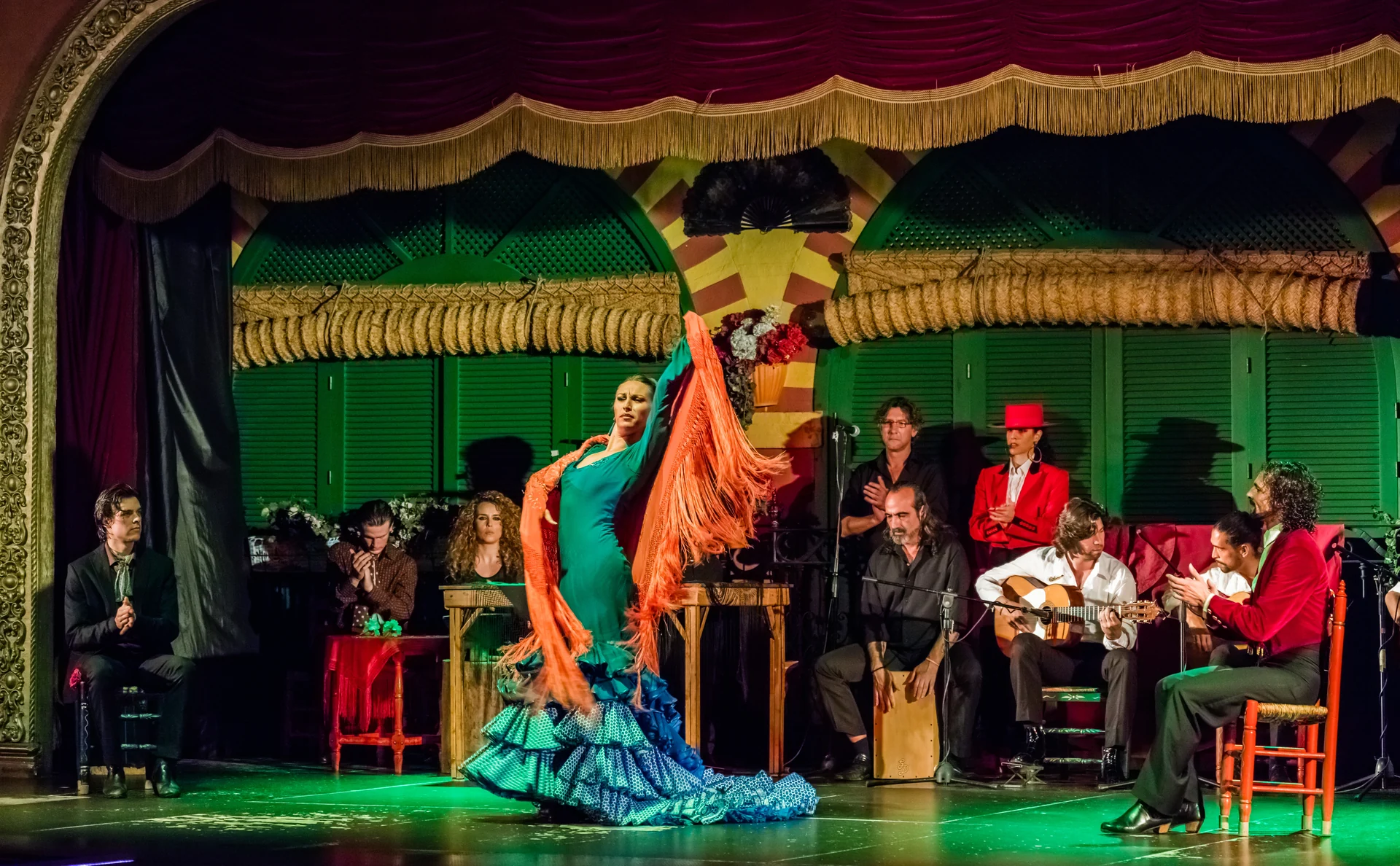
Read the event description rather than relying on a photograph of a dancer. Confirm whether the programme includes singing, guitar and dance or concentrates on one of them. If seeing a particular performer matters to you, check that person's name against the date you intend to book. General artist galleries may show people who have appeared at a venue, without promising that they will perform on your evening.
Compare what the ticket actually includes
Put like-for-like options beside each other. A show-only ticket, an option with a drink, dinner and a combined museum visit are different purchases. Look for the total payable amount, the date and session, the number of people and any relevant age category. Check cancellation or change conditions before payment. When a website displays an opening price, follow the booking process far enough to understand your chosen option without assuming every date has the same terms.
Ask how food service relates to the performance if you want dinner. Eating before the show may suit you differently from service during it. Consider dietary requirements separately and obtain confirmation from the venue when needed. Our venue pages link to official information; the seller's current conditions govern the purchase. Save the confirmation and check that it contains the event, venue, date and session you intended.
Check seating, access and suitability
Do not assume that every room has numbered seats or that arriving early guarantees a particular place. Some venues allocate seating by arrival, some offer categories, and theatres may use a seat map. Read the relevant policy for your event. If seeing footwork closely is important, ask about sightlines as well as distance. A photograph of an attractive room cannot establish what every seat can see.
For step-free access, wheelchair spaces, hearing needs or another specific requirement, contact the venue with a clear question about the exact event and entrance. A cave, a historic building and a modern theatre can have different arrangements. Travelling with children also calls for a check of admission rules, sound levels and the child's comfort with a seated performance. We do not infer physical accessibility or family suitability from a venue's marketing description.
Arrive ready to listen
Follow the arrival instructions on your confirmation and allow time to find the entrance. Keep the ticket available on your phone, or bring the format the seller requires. Comfortable clothing is usually a practical starting point, but check whether your chosen restaurant or event states a dress policy. Once seated, silence your phone and finish conversations before the performance begins. The aim is to let everyone hear the music and see the stage.
Photography and recording rules vary. Ask or read the venue policy, and put the phone away when recording is prohibited. Do not use flash. You can applaud after a completed passage and take your cues from the performers and room. There is no obligation to shout olé or clap along. Listening quietly is a welcome way to participate, especially when you are still finding your way through the rhythm.
Bring curiosity rather than a checklist
During the show, notice how attention shifts between singer, guitarist and dancer. A pause or a restrained moment can be as interesting as a fast passage of footwork. You do not need to label every style while it happens. If one performer catches your attention, look for a reliable credit after the show instead of guessing an identity from an old website photograph or a social media clip.
Afterwards, record a few impressions while they are fresh: What you heard, how the room felt, and whether the purchase matched the description. Keep practical comments separate from artistic preferences. A useful opinion explains the evening it refers to, including its date, rather than claiming that a venue is always the best or worst. If you enjoyed the experience, explore another format or a recording next. One thoughtful first visit can open several different paths into flamenco.
Questions before you go
How early should I arrive?
Use the instructions for your specific ticket. Allow extra time to find the entrance and check in; we do not apply one arrival rule to every venue.
Can I film the performance?
Only where the venue permits it. Check the policy and any announcement on the day; purchasing an entry does not automatically permit recording.
Should I book dinner with the show?
Compare the menu, service timing and total cost with your plans. Dinner is an optional practical choice, not a measure of the artistic programme.
A little reading before your first show
If you would like to understand the singing and guitar more closely, this English-language introduction can accompany the practical advice in this guide.
This section contains affiliate links. As an Amazon Associate I earn from qualifying purchases.
Flamenco – All You Wanted to Know
Emma Martinez
Explore cante and the role of the guitar, with English translations of lyrics and a glossary of flamenco terms. This book focuses on singing and guitar rather than dance.
Publisher detailsCheck the edition, language, format and delivery options on Amazon before buying.